Western Province Solid Waste Crisis: A Call for Action
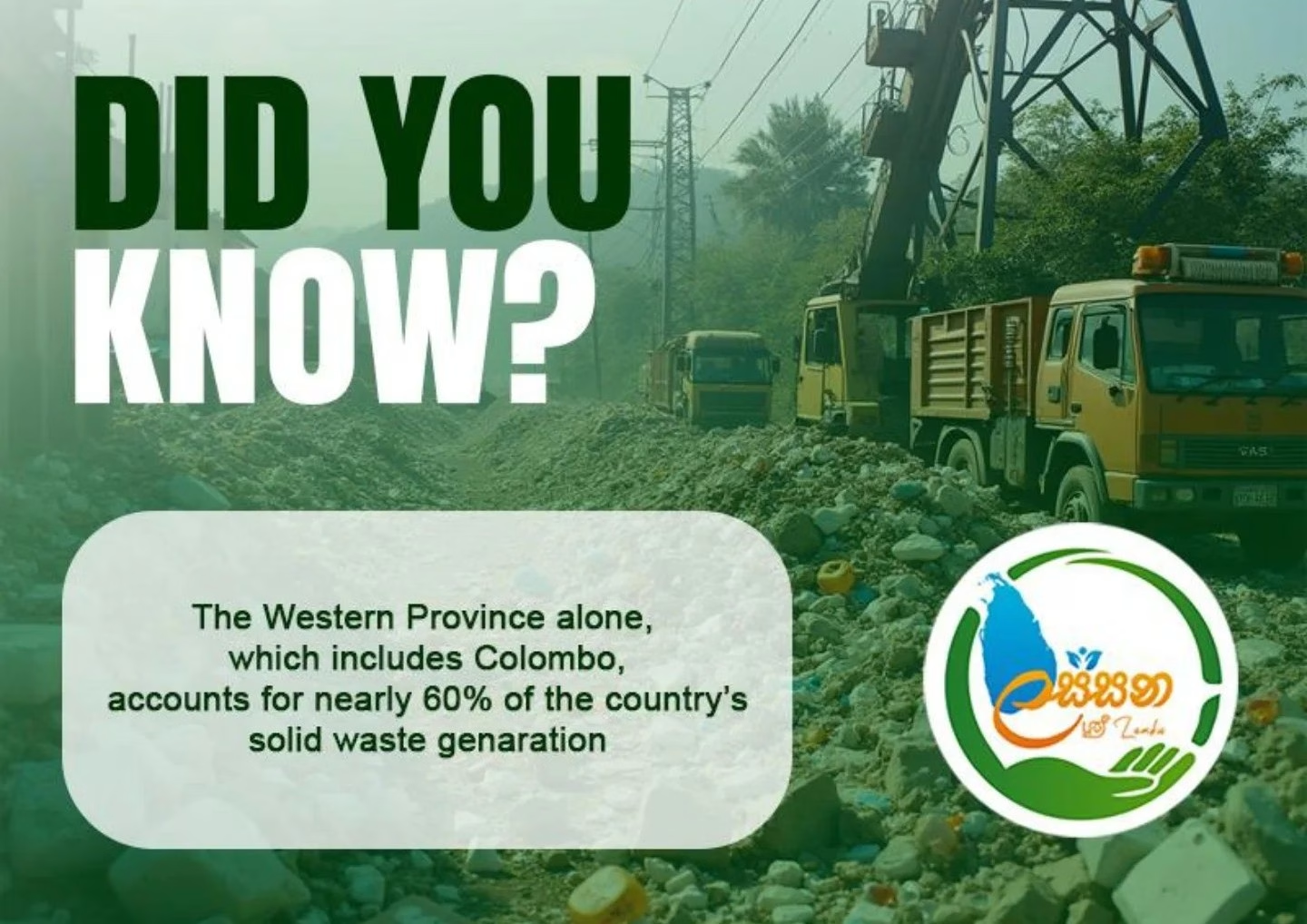
The Western Province solid waste issue is one of the most significant challenges in Sri Lanka waste management, with the region contributing 60% of the country’s total solid waste. This staggering statistic highlights the urgent need for sustainable solutions in urban waste management, as the Western Province, home to the bustling cities of Colombo, Gampaha, and Kalutara, continues to generate high volumes of waste daily.
The province’s rapid urbanization and consumption-driven lifestyle result in waste production levels ranging from 0.4 to 1 kilogram per person per day. Despite efforts, only about 50% of this waste is collected, leaving large amounts of uncollected garbage that impacts both public health and the environment.
Environmental Impact of Solid Waste in the Western Province
- Landfill Overflow: Key dumpsites in the province, such as Meethotamulla, are at full capacity, with tragic collapses highlighting the gravity of the issue.
- Clogged Waterways: Non-biodegradable materials like plastic clog rivers and drainage systems, increasing flood risks in urban areas.
- Air and Soil Pollution: Open-air burning of waste releases harmful gases, while landfill seepage contaminates groundwater and soil.
To address these environmental threats, the 3R approach (Reduce, Reuse, Recycle) is critical in achieving sustainable waste reduction in the Western Province.
1. Reduce: Minimizing Waste Production
Reducing waste at its source can drastically lower the amount of waste sent to landfills:
- Avoid Single-Use Plastics: Replace disposable items with reusable alternatives such as cloth bags, metal bottles, and lunch boxes.
- Buy Smart: Choose products with minimal packaging and avoid over-purchasing perishables to reduce food waste.
- Go Digital: Opt for digital invoices, e-tickets, and electronic documents to cut down on paper waste.
A potential urban waste management solution is the Pay-As-You-Throw (PAYT) system, which charges households based on the amount of waste they dispose of, promoting conscious consumption habits.
2. Reuse: Extending the Life of Everyday Items
Reusing items before discarding them can significantly reduce household waste:
- Upcycling: Transform glass jars into storage containers or turn old clothes into cleaning rags.
- Repair Culture: Fix electronics, furniture, and clothing instead of discarding and replacing them.
- Community Swap Events: Organize neighborhood exchange programs for books, clothes, and household items to promote reuse and reduce unnecessary purchases.
This not only prevents waste but also fosters a culture of sustainability and collaboration.
3. Recycle: Creating Value from Waste
Recycling initiatives in Sri Lanka can prevent valuable materials from ending up in landfills:
- Waste Segregation: Separate recyclables such as plastic, glass, metal, and paper from organic waste.
- Urban Composting: Divert up to 30% of household waste by composting food scraps and garden waste. This reduces landfill contributions and creates nutrient-rich compost for home gardens.
- Smart Waste Bins: IoT-enabled smart bins monitor fill levels and optimize waste collection schedules, making urban waste management more efficient.
Waste-to-energy plants are another innovation that can convert non-recyclable waste into renewable energy, reducing reliance on landfills while addressing the energy demand.
Community Engagement and Recycling Initiatives in Sri Lanka
Waste reduction in the Western Province requires active community participation and innovative recycling initiatives:
- Educational Campaigns: Awareness programs, like Leo District 306C1’s Lassana Sri Lanka, teach communities the importance of waste segregation and composting.
- Community Composting Hubs: Establishing local compost stations encourages eco-friendly practices and supports sustainable urban gardening.
- Collaborative Clean-Ups: Organizing clean-up drives in cities and neighborhoods promotes a collective effort to combat littering and illegal dumping.
Towards a Sustainable Future for the Western Province
The Western Province solid waste crisis is a pressing environmental concern that demands immediate action. By adopting the 3R approach and implementing smart waste management solutions, Sri Lanka can reduce its dependency on landfills and move towards a cleaner, greener future.
Households, businesses, and local authorities must work together to adopt sustainable practices. Every small change—from sorting household waste to supporting recycling initiatives in Sri Lanka—contributes to the collective effort of improving waste reduction in the Western Province.
A Lassana Sri Lanka—a beautiful and sustainable Sri Lanka—is within reach if we all take responsibility for our waste and act now.

Leave a Reply